
Bihar Government Takes Back FIR Against Student Protesters After CJP Warning: A Victory for Democratic Rights
Democracy thrives when people are free to speak, question, and protest. Across India, students have long been at the forefront of movements demanding justice, accountability, and better governance. From raising concerns about education policies to fighting for social justice, student voices have often shaped the country's democratic journey. Bihar, a state with a rich legacy of student-led movements, recently witnessed another chapter in this tradition.
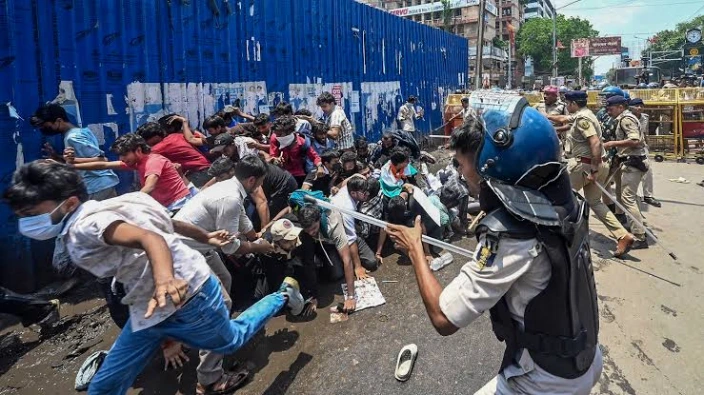
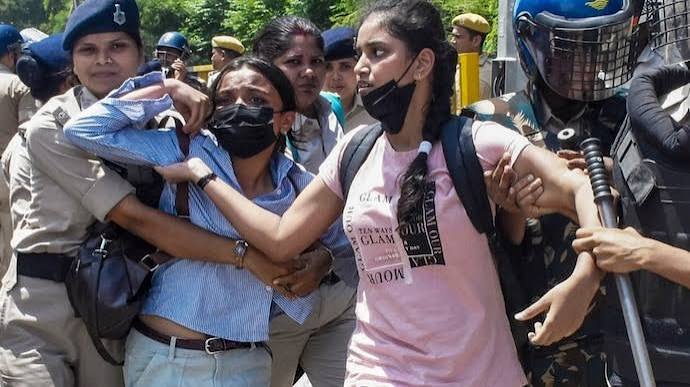
The Bihar government's decision to withdraw the FIR registered against student protesters has sparked widespread discussion. The move came after the Citizens for Justice and Peace (CJP) raised strong objections, questioning the legality and implications of criminalizing peaceful protest. While the decision has been welcomed by many as a positive step, it has also reignited an important conversation about the right to dissent and the responsibilities of governments in a democratic society.
The Background of the Protest
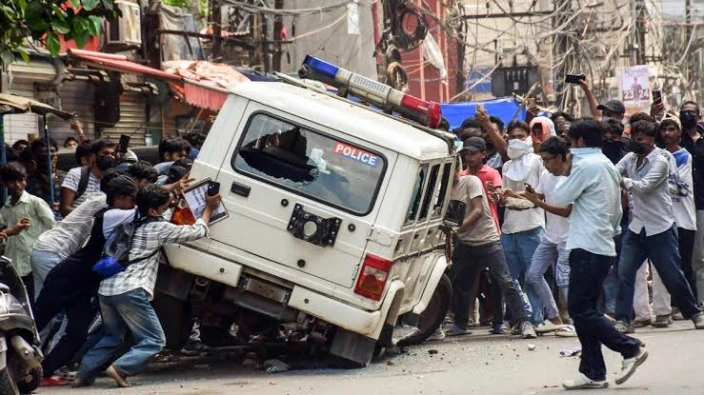
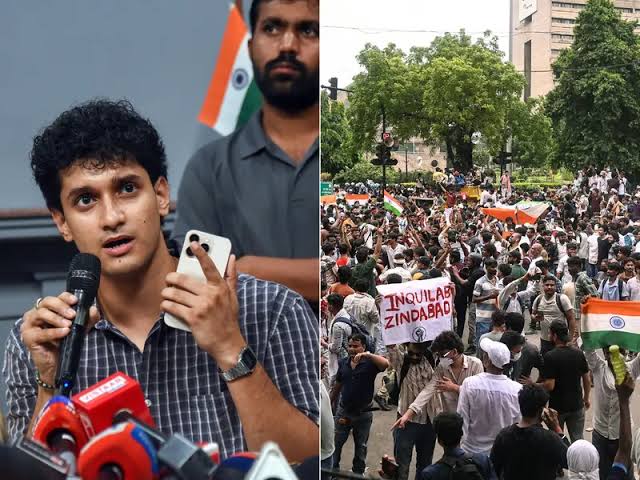
Student protests are rarely spontaneous. They often emerge after prolonged frustration over issues that directly affect young people, including education, employment, examinations, public policy, or administrative decisions. In Bihar, students gathered to express their concerns through peaceful demonstrations, hoping that their voices would reach the authorities.
Like many student movements across India, the protest reflected the aspirations of a generation seeking accountability and transparency. Instead of being viewed solely as a challenge to authority, such demonstrations are often expressions of democratic participation.
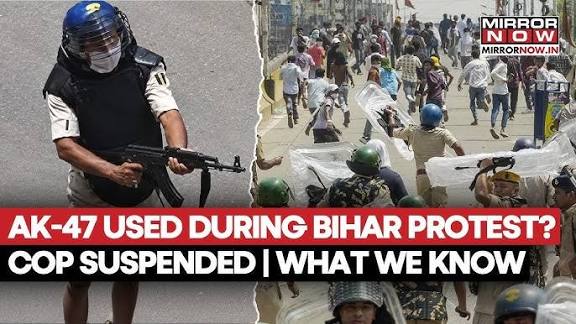
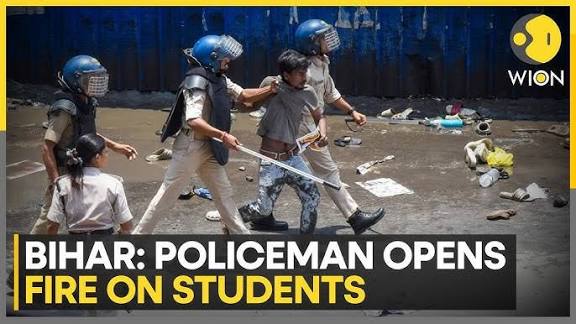
However, matters took a serious turn when an FIR was reportedly registered against several protesters. The move created anxiety among students, many of whom feared that criminal proceedings could have long-term consequences on their education, careers, and future opportunities.
Why the FIR Became a Matter of Concern
An FIR is not just another legal document. For students, being named in a criminal case can carry lasting consequences. It may affect employment opportunities, higher education applications, government recruitment, and even international academic prospects.
This is why civil rights organizations and legal experts often stress that criminal law should not be used as a first response to peaceful demonstrations.
Critics argued that if students were exercising their democratic right to protest peacefully, responding with criminal charges risked creating an atmosphere of fear rather than encouraging dialogue. They maintained that disagreements between citizens and the government should primarily be addressed through communication and constitutional processes rather than criminalization.
CJP's Intervention
The Citizens for Justice and Peace (CJP), known for advocating constitutional values and civil liberties, reportedly stepped into the matter by raising serious concerns over the FIR.
According to public statements, CJP warned that using criminal law against peaceful student protesters could undermine the constitutional rights guaranteed to citizens. The organization emphasized that peaceful assembly and freedom of expression are essential pillars of democracy and should not be curtailed without compelling legal justification.
CJP's intervention highlighted a broader principle that extends beyond Bihar: governments must distinguish between peaceful democratic dissent and unlawful activities. Treating every protest as a law-and-order problem risks weakening public trust in democratic institutions.
The organization reportedly urged the authorities to reconsider the action and resolve the situation through dialogue instead of criminal prosecution.
The Bihar Government's Decision
Following the growing concerns and public attention surrounding the issue, the Bihar government decided to withdraw the FIR against the student protesters.
The decision was welcomed by many students, civil society groups, and rights advocates who viewed it as a recognition of democratic values. While governments may disagree with protesters on policy matters, withdrawing criminal charges against peaceful demonstrators was seen as a constructive step toward reducing tensions.
For the students involved, the withdrawal also meant relief from the uncertainty and stress associated with criminal proceedings.
More importantly, the move signaled that dialogue can sometimes achieve what confrontation cannot.
Why This Decision Matters
The withdrawal of the FIR is significant for several reasons.
First, it reinforces the idea that democratic governments should remain open to criticism. Student protests may be inconvenient for administrations, but they are also a reminder that young citizens care deeply about public issues.
Second, the decision recognizes the importance of proportionality. Not every protest requires criminal prosecution. Peaceful disagreement is an essential feature of constitutional democracy.
Third, it demonstrates the influence that civil society organizations can have in safeguarding constitutional rights. Organizations like CJP play an important role in monitoring state action, raising legal concerns, and encouraging accountability.
Finally, the decision sends an encouraging message to students that democratic participation should not automatically expose them to criminal consequences, provided protests remain peaceful and within the bounds of the law.
The Role of Students in Democracy
India's history is filled with examples of student movements influencing public policy and social change.
Students often represent the conscience of society. They question existing systems, demand reforms, and bring fresh perspectives to public debates. Their participation in democratic processes strengthens institutions rather than weakening them.
At the same time, peaceful conduct remains essential. Responsible protest respects public safety, avoids violence, and focuses attention on the issues rather than confrontation.
Governments also bear responsibility. Instead of immediately resorting to legal action, authorities can engage with student representatives, establish dialogue, and explore solutions that address genuine concerns.
The Importance of Civil Society
The incident also highlights the important role played by independent civil society organizations.
Democracy functions best when multiple institutions work together to uphold constitutional values. Courts, journalists, lawyers, academics, and rights organizations all contribute by ensuring that state power is exercised fairly.
When organizations like CJP raise legal questions or advocate for constitutional protections, they help ensure that public authorities remain accountable. Their interventions do not replace the role of government or the judiciary but contribute to a broader democratic conversation.
A Lesson for Governments
Every government, regardless of political affiliation, eventually faces public protests.
The true test of democratic leadership lies not in preventing criticism but in responding to it responsibly.
Dialogue, transparency, and consultation often produce better outcomes than confrontation. While maintaining public order is a legitimate responsibility of the state, peaceful dissent should generally be accommodated rather than criminalized.
The Bihar government's decision to withdraw the FIR may therefore serve as a useful reminder that listening to citizens can help restore confidence and reduce conflict.
Looking Ahead
The withdrawal of the FIR should not mark the end of the conversation. It should instead become the beginning of stronger engagement between policymakers and students.
Educational institutions, government departments, and student representatives should work together to create structured channels for communication. Early dialogue can often prevent disputes from escalating into confrontations.
For students, the incident underscores the importance of peaceful and responsible civic participation. For governments, it demonstrates the value of protecting constitutional freedoms while maintaining public order.
Conclusion
The Bihar government's decision to withdraw the FIR against student protesters, following concerns raised by Citizens for Justice and Peace, has been widely viewed as an important moment in the ongoing discussion about democratic rights and civil liberties. While opinions may differ regarding the protest itself, many observers agree that constitutional democracies are strongest when citizens can express disagreement without undue fear of criminal consequences.
The episode serves as a reminder that democracy is not defined merely by elections but also by the everyday protection of fundamental freedoms. Peaceful protest, open dialogue, and respect for constitutional rights are essential ingredients of a healthy republic.
As Bihar moves forward, the hope is that this development encourages greater trust between students and the administration, fostering a culture where disagreements are addressed through conversation, mutual respect, and democratic engagement rather than criminal proceedings. In the long run, such an approach benefits not only students or governments but the democratic fabric of India itself.